
Revitalise your Soul at Cape St Francis

Spoil yourself at Cape St Francis


Bond at Cape ST Francis

Play a round at Cape St Francis

Welcome to Cape St Francis Resort
Discover this unique and exclusive paradise on the Eastern Cape coast which draws holiday makers from all over the world.
Bordering the beach at Cape St Francis and just 90 minutes from Port Elizabeth airport, Cape St Francis Resort ticks all the boxes as a perfect beach holiday destination. The Resorts' unique setting with a selection of accommodation options from conventional hotel rooms, three and four bedroom cottages or luxury beach villas appeals to couples, families and anyone who loves a beach holiday. All are suitable for either a bed and breakfast choice or a self-catering option.
Renowned as a water sport paradise with surfing, kite-surfing, surf ski and canoe paddling on the beautiful waters off both Cape St Francis and St Francis Bay’s as well as on the nearby Kromme River. For golfers, the top ten rated St Francis Links offers the keen golfer an excellent challenge of links golf with the nearby St Francis Bay Golf Club offering an easier but still challenging round of golf.
With the mildest temperatures and the longest sunshine hours on the coast, Cape St Francis is a unique and exclusive paradise on the South African southern coast which draws holidaymakers from all over the world to enjoy the glorious beaches, excellent water-sport facilities, leisurely lifestyle and the magical beauty of the unspoilt surroundings.
"What you do between vacations is your business. What you do on vacation is ours"
We are the Adventure Racing World Championship Host for 2023
See teaser below
Luxury Accommodation
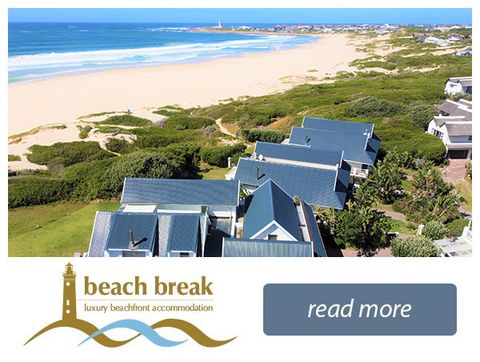
Cottage Accommodation
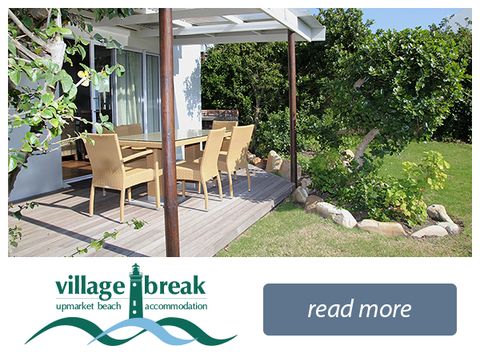
Apartment Accommodation
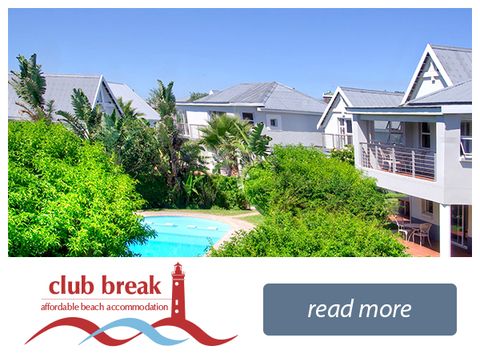
WHY STAY AT CAPE ST FRANCIS RESORT?
Apart from the exquisite beach and a wide choice of sporting facilities there is more than just the sand, sea, sun and sport and Cape St Francis Resort is the perfect base from which to explore the entire St Francis region. Surrounded by nature reserves where wonderful examples of different species of fynbos grow in their natural environment within the seven biomes that exist in the 132 hectares of nature areas. Cape St Francis is a hiker’s wonderland with excellent hiking paths that meander through the nature reserves, at times emerging along the rugged coastline.
Seal Point and the historic Cape St Francis Lighthouse, the tallest masonry constructed lighthouse in South Africa.
And after a full day of activities enjoying and exploring all the St Francis region has to offer, a sundowner cruise on the canals of St Francis Bay offers the perfect end to a day at the Cape St Francis Resort.
Point of interest: Biome - a large naturally occurring community of flora and fauna occupying a major habitat, e.g. forest or tundra.
The greater St Francis area boasts seven biomes – Forest, Thicket, Fynbos, Grass, Savannah, Nama Karoo and Succulent Karoo and falls within what is known as The Cape Floral Kingdom that stretches roughly between Cape Town and Port Elizabeth, one of only six is Floral Kingdoms in the world.
Cape St. Francis, in general, is heaven on earth and if ever live by the coast this would be it! We simply loved it!!! It is a 3 min walk from the house to the beautiful beach and a 5 min drive to the lighthouse. Great for a walk by the coast and just relax!!!
Activities and Excursions
Golf Break
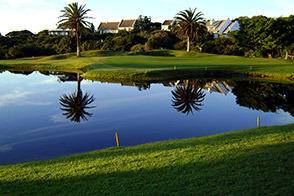
Bunkers, lakes, long drives and beautifully tendered greens draw golfers to the area year after year!
Canal & River Cruises
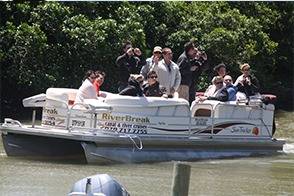
Experience the beautiful St Francis Bay Canals and Kromme River on a luxury 12 seater barge.
Hiking & Nature Walks
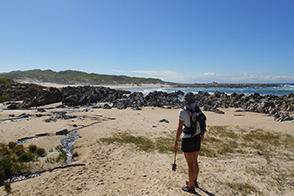
Experience the natural beauty of Cape St Francis and the surrounding area via stunning reserve and coastal walks.
Excursions
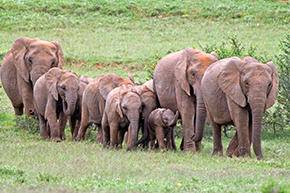
Come and enjoy a fantastic holiday. Travel and see the sites. Add some great excursions to your itinerary.
Cape St Francis resort and surroundings
We are a multi-award-winning destination

Get in Touch
| | anita@capestfrancisresort.co.za |
| | +27 (0) 42 298 0054 |
| | +27 (0) 82 494 3755 |
| | +27 (0) 86 412 3764 |
| | Da Gama Way, Cape St Francis, 6313 |
| | 34 11’ 56.39" S | 24 49’ 53.04" E |
Our port elizabeth guest house
We are situated in Newington Street, Richmond Hill on a quiet tree-lined lane, filled with historic and gracefully restored buildings. The peace of the picturesque neighbourhood belies its location in central Port Elizabeth where the heartbeat of the city pulses nearby and the main N2 highway that charters motorists in and out the Bay is but a few streets down.
The saying goes that in Port Elizabeth nothing is more than 15 minutes away and with Richmond Hill this most definitely rings true.
our Mozambique Resort
The waters warm, the sand is golden... and just a stone's throw away from your accommodation. Offering 3 stunning beach villas, swimming pool and the ultimate in beach living, Casa Malcampo based in the small fishing village of Tofo, is your ideal Mozambique holiday destination. For more information visit the Casa Malcampo website today! If a European holiday is what you’re looking for then why not check out our stunning 5 bed Croatian Villa perched on the ocean’s edge set on the island of Lastovo.


