
Wildflowers, Fynbos And The Cape Floral Kingdom In Cape St Francis
Every season reveals something different in the flora of Cape St Francis. Depending on the time of year, you’ll find a fascinating mix of colourful wildflowers, hardy succulents, fragrant shrubs and unique fynbos.
As part of the Cape Floral Kingdom, the area is one of the most biodiverse regions on Earth, with a unique habitat supporting hundreds of indigenous plant species that have adapted to strong sea winds, salt spray, summer drought and periodic fires.
Here, the rare and endangered St Francis Fynbos/Thicket Mosaic grows alongside dune thicket, wetlands and coastal vegetation, creating an incredible variety of indigenous plants in a relatively small area.
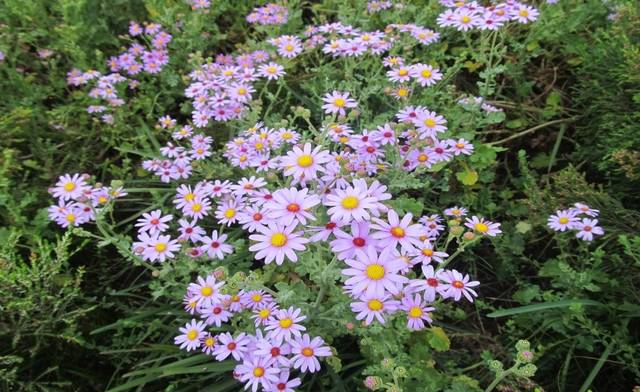
Why The Flora Of Cape St Francis Is So Special
Cape St Francis lies within the Cape Floristic Region, a UNESCO World Heritage Site recognised as one of the world's six floral kingdoms and the smallest of them all.
Despite covering less than 0.5% of Africa's landmass, the Cape Floral Kingdom contains nearly 9,000 plant species, with around 70% occurring nowhere else.
The vegetation around Cape St Francis differs from the mountain fynbos commonly associated with the Western Cape. Instead, the area supports St Francis Fynbos/Thicket Mosaic, a rare lowland vegetation type growing on deep coastal sands. It is interwoven with patches of dune thicket, wetlands and coastal grasslands, creating an exceptional variety of habitats.
This diversity means you can encounter a different collection of plants simply by walking from the beach into the dunes or exploring one of the local nature reserves.
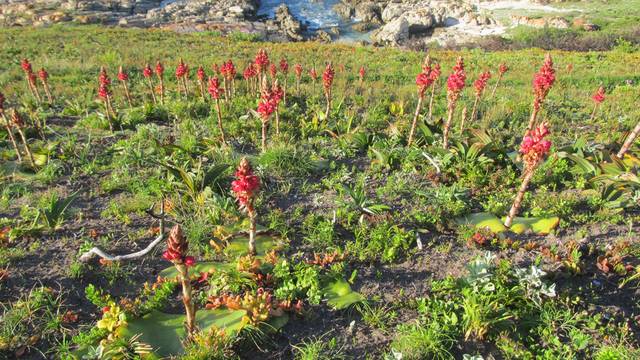

Understanding Fynbos
Fynbos means "fine bush" and is made up mainly of shrubs, flowering plants and underground bulbs rather than large trees. Because living near the ocean presents constant challenges, the flora of Cape St Francis has evolved remarkable survival strategies that allow it to thrive in conditions that would be inhospitable to other plants.
Many species have:
- Small, narrow leaves to reduce water loss
- Waxy or hairy leaf surfaces that protect against drying winds
- Deep root systems to tap into underground moisture
- Underground bulbs or corms that survive summer drought
- Flexible stems to withstand strong coastal winds
- Seeds adapted to germinate after fire
Common Plants And Wildflowers In Cape St Francis
Several plant families define the landscape around Cape St Francis, and while flora changes with the seasons, some indigenous species are regularly encountered.
Coastal Dunes
| Dune Aloe (Aloe thraskii) | An iconic Eastern Cape plant. Thick, curved leaves store water, while tall winter flower spikes attract sunbirds, bees and other pollinators. |
| Sour Fig (Carpobrotus edulis) | A creeping succulent with vibrant pink or yellow flowers and edible fruit. Its spreading stems help bind loose sand, reducing coastal erosion. |
| Sea Pumpkin (Arctotheca populifolia) | Fast-growing groundcover with soft, silvery leaves and bright yellow daisy-like flowers. It helps stabilise dunes by spreading across loose sand. |
| Dune Grass (Various Species) | Indigenous dune grasses trap wind-blown sand, helping to build and protect the dunes. |
| Vygies (Mesembryanthemums) | Succulent groundcovers producing brilliant pink, yellow, orange and white flowers. |
Sand Fynbos
| Proteas | A well-known flowering shrub, producing large, nectar-rich blooms that attract birds and insects. Their tough leaves help them survive dry, nutrient-poor conditions. |
| Ericas (Heaths) | Delicate shrubs with masses of small bell-shaped flowers that brighten the fynbos, particularly in winter and spring. An important food source for bees and other pollinators. |
| Restios | Often mistaken for grasses and a defining plant of the Cape Floral Kingdom. Reed-like stems help stabilise sandy soils and provide shelter for wildlife. |
| Watsonias | Tall flower spikes in shades of pink, white and orange emerge in spring, adding colour to the fynbos after winter rains. |
| Gladioli | Indigenous sword lilies growing from underground corms. Striking flowers appear seasonally, especially noticeable during spring. |
| Everlastings | Hardy shrubs with clusters of papery flowers that retain their shape and colour long after blooming, making them easy to recognise. |
| Pelargoniums | Wild relatives of the popular garden geranium, with an aromatic scent. |
Dune Thicket
| Num-num (Carissa bispinosa) | Thorny evergreen shrub with fragrant white flowers and bright red edible berries. Eat the fruit fresh or make jam. |
| Spekboom (Portulacaria afra) | Hardy succulent with fleshy edible leaves that store water during dry periods. Captures carbon dioxide and provides grazing for wildlife. |
| White Milkwood (Sideroxylon inerme) | Protected indigenous tree that offers shade, nesting sites and berries for birds. A characteristic tree of South Africa's coastal forests and thicket. |
| Candlewood (Pterocelastrus tricuspidatus) | A dense evergreen tree with glossy leaves and bright orange seed capsules that attract birds. It is well adapted to salty coastal conditions. |
| Cape Honeysuckle (Tecomaria capensis) | A colourful shrub covered in bright orange tubular flowers that provide nectar for sunbirds and butterflies over much of the year. |
| Coastal Silver Oak (Brachylaena discolour) | An attractive indigenous tree with dark green leaves and silvery undersides that shimmer in the sea breeze. It supports a variety of insects and birdlife. |
Did You Know: Spekboom is widely recognised for its ability to absorb and store carbon dioxide, making it an important plant in ecological restoration and climate change mitigation projects across the Eastern Cape.
Wetland Plants
| Cape Reed (Phragmites australis) | Tall reeds found on wetland edges. Offers shelter and nesting for birds, filters water and reduces erosion. |
| Bulrush (Typha capensis) | Distinctive brown, sausage-shaped flower heads. Helps improve water quality by trapping sediment and absorbing excess nutrients. |
| Sedges (Cyperus and Ficinia species) | Grass-like plants that thrive in damp soils. Dense root systems stabilise wetland banks and provide habitat for insects and frogs. |
| Rushes (Juncus species) | Tough, upright plants found in shallow water and marshy ground. Helps stop erosion and creates shelter for wetland wildlife. |
| Yellow Arum Lily (Zantedeschia aethiopica) | Elegant indigenous plant with white, hood-shaped flowers surrounding a yellow spadix. Flourishes in damp areas and attracts insect pollinators. |
| Marsh Everlasting (Syncarpha & wetland species) | Low-growing flowering plants that add seasonal colour to wetland margins and provide nectar for bees and butterflies. |
Best Time Of Year To See Wildflowers
Although indigenous plants flower throughout the year, each season offers something different.

Late Winter
(July–August)
Early bulbs begin flowering after winter rains. Indigenous vegetation usually looks green and lush.

Spring
(September–October)
Peak wildflower displays with ericas, watsonias and many geophytes in bloom.

Early Summer
(November–December)
Continued flowering, especially among coastal shrubs and succulents.

Autumn
(March–May)
Fewer mass displays, but many fynbos shrubs and restios remain attractive.
Where To Experience Indigenous Flora In Cape St Francis
If you want to take a stroll through the village’s natural vegetation, you have plenty of options.

Irma Booysen Flora Reserve
This small reserve protects an important remnant of St Francis Fynbos/Thicket Mosaic. Clearly marked footpaths wind through indigenous vegetation, making it great for leisurely walks, birdwatching and photography.
Interpretive signage helps visitors understand the ecological significance of the reserve and the many plant species in it.

Cape St Francis Nature Reserve
A coastal reserve combining fynbos, dune systems and wetlands. Walking trails pass through varied habitats where seasonal flowers, shrubs and restios support birdlife and insects.
The reserve also demonstrates how closely the area's vegetation is linked to its wildlife, with flowering plants providing nectar, seeds and shelter throughout the year.

Seal Point And The Coastal Dunes
The dunes around Seal Point Lighthouse support salt-tolerant indigenous vegetation adapted to constant wind and sea spray.
Here, hardy succulents, dune shrubs and creeping plants stabilise the shifting sands while creating habitat for insects, reptiles and nesting birds.
Fire Plays An Important Role
Fire is a natural part of the fynbos life cycle rather than a destructive force. Many species depend on periodic fires to stimulate seed germination or trigger flowering. After a fire, nutrients become available in the soil, sunlight reaches the ground, and dormant seeds begin to grow.
Over time, a recently burnt landscape transforms into a colourful mosaic of young plants, demonstrating the resilience of this unique ecosystem.
Experience One Of The World's Richest Floral Landscapes
Large portions of South Africa's lowland fynbos have been lost to agriculture, urban development and invasive alien plants, making St Francis Fynbos/Thicket Mosaic one of the country's critically threatened vegetation types.
A walk through the local reserves reveals changing colours, textures and fragrances with every season. Slow your pace, look closely and you'll discover why this small corner of the Eastern Cape has become an important refuge for South Africa's unique fynbos heritage.

Get in Touch
| | anita@capestfrancisresort.co.za |
| | +27 (0) 42 298 0054 |
| | +27 (0) 82 494 3755 |
| | +27 (0) 86 412 3764 |
| | Da Gama Way, Cape St Francis, 6313 |
| | 34 11’ 56.39" S | 24 49’ 53.04" E |

Harbour Club
Harbour Club at Port St Francis offers an exceptional coastal escape in one of South Africa’s sunniest regions. Overlooking a picturesque harbour village with a private beach, diverse restaurants, and easy access to world-class golf, canal cruises, and scenic trails, it delivers both convenience and charm. Guests enjoy sweeping views, refined comfort, privacy, and independence—paired with abundant activities and consistently favourable weather, making it a destination not to be missed.
our Mozambique Resort
The waters warm, the sand is golden... and just a stone's throw away from your accommodation. Offering 3 stunning beach villas, swimming pool and the ultimate in beach living, Casa Malcampo based in the small fishing village of Tofo, is your ideal Mozambique holiday destination. For more information visit the Casa Malcampo website today! If a European holiday is what you’re looking for then why not check out our stunning 5 bed Croatian Villa perched on the ocean’s edge set on the island of Lastovo.

