
The History of Cape St Francis: A Coast Shaped By Sea
The history of Cape St Francis was carved by the sea, long before it became a favourite Eastern Cape holiday destination.
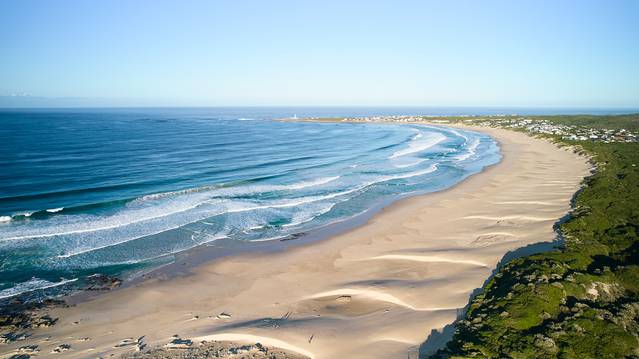
Powerful ocean currents, shifting dunes and a rugged shoreline created a place abundant in wildlife, marine life and coastal beauty. These features still define Cape St Francis today.
The First People
Cape St Francis' story began thousands of years before the first European ships appeared on the horizon. Archaeological evidence shows that hunter-gatherer communities, the ancestors of today's San peoples, lived along this coastline for generations, surviving on its marine life, fresh water and coastal vegetation.
Later, Khoikhoi pastoralists moved through the region with their livestock, grazing the fertile coastal plains while continuing to harvest rich sea resources.
We still see evidence of this today, with ancient shell middens scattered along the shoreline. These mounds of discarded shells, fish bones, charcoal and stone tools offer a remarkable record of daily life, revealing what people ate, the shellfish they gathered and the marine food they depended on.
Many middens are found near ancient stone fish traps, low walls built in the intertidal zone. At high tide, fish swam over these carefully constructed barriers, and as the tide receded, they became trapped in shallow pools where they were collected by hand or with simple spears.
This ingenious fishing method shows a detailed understanding of tides, seasonal fish movements and the coastline itself, allowing communities to harvest seafood sustainably for countless generations.
Together, the fish traps and middens offer a fascinating glimpse into a way of life that existed long before Cape St Francis became known for its lighthouse, shipwrecks and surfing.
How Cape St Francis Got Its Name
The name Cape St Francis dates back to the great Portuguese explorers who were searching for a sea route to the East in the late fifteenth century.
In 1497, Vasco da Gama sailed along South Africa's southern coastline on his first voyage to India. As Portuguese navigators mapped the coast, they named prominent headlands to help future sailors. This headland became known as Cabo de São Francisco, or Cape St Francis.
The village that exists today developed much later, but the name has remained part of the area’s identity for centuries.
A Coastline That Demanded Respect
The waters off Cape St Francis have always been both beautiful and unforgiving.
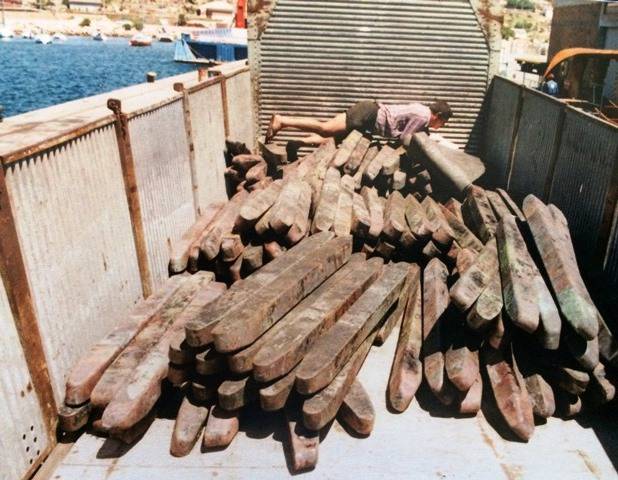
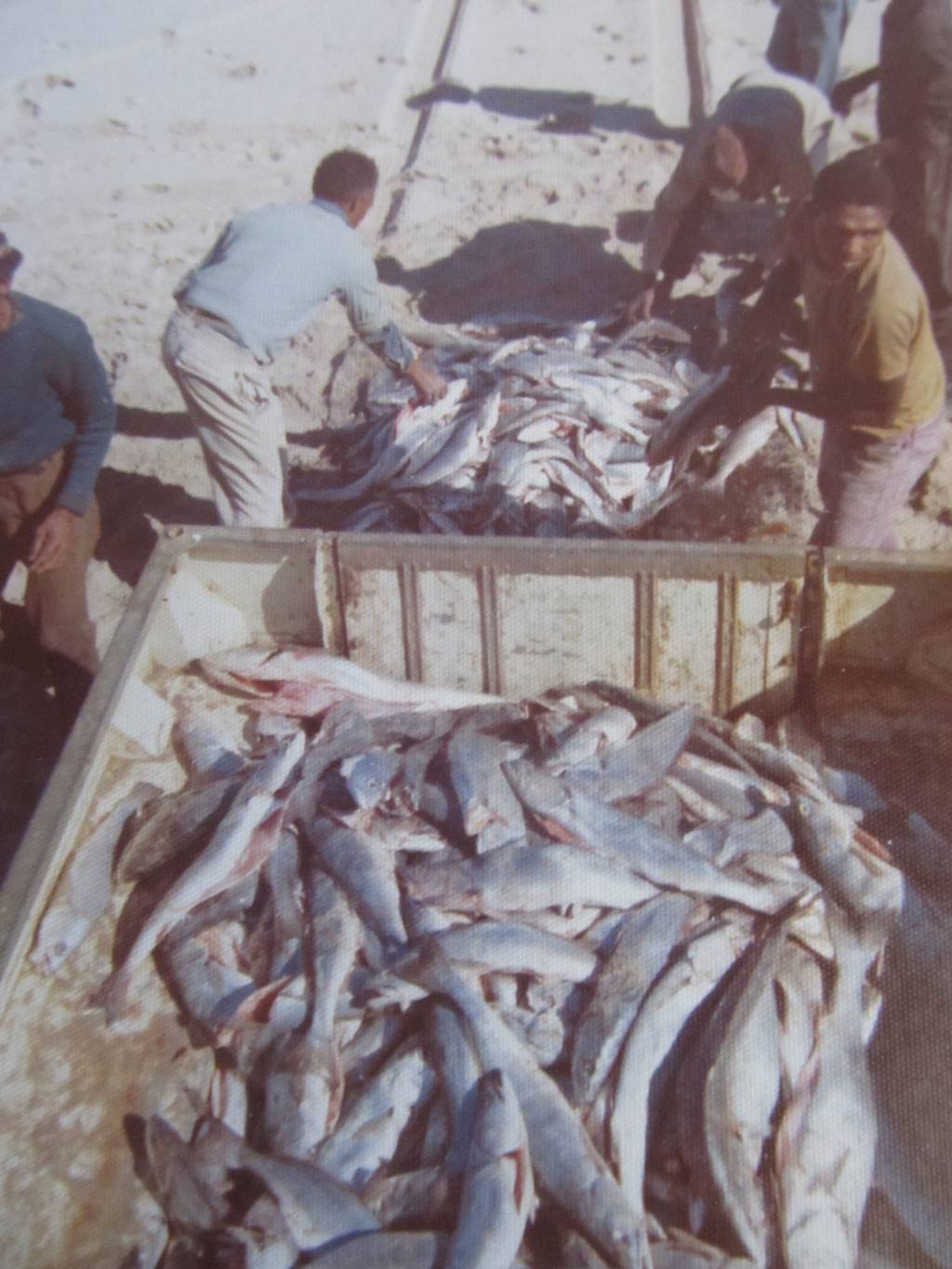
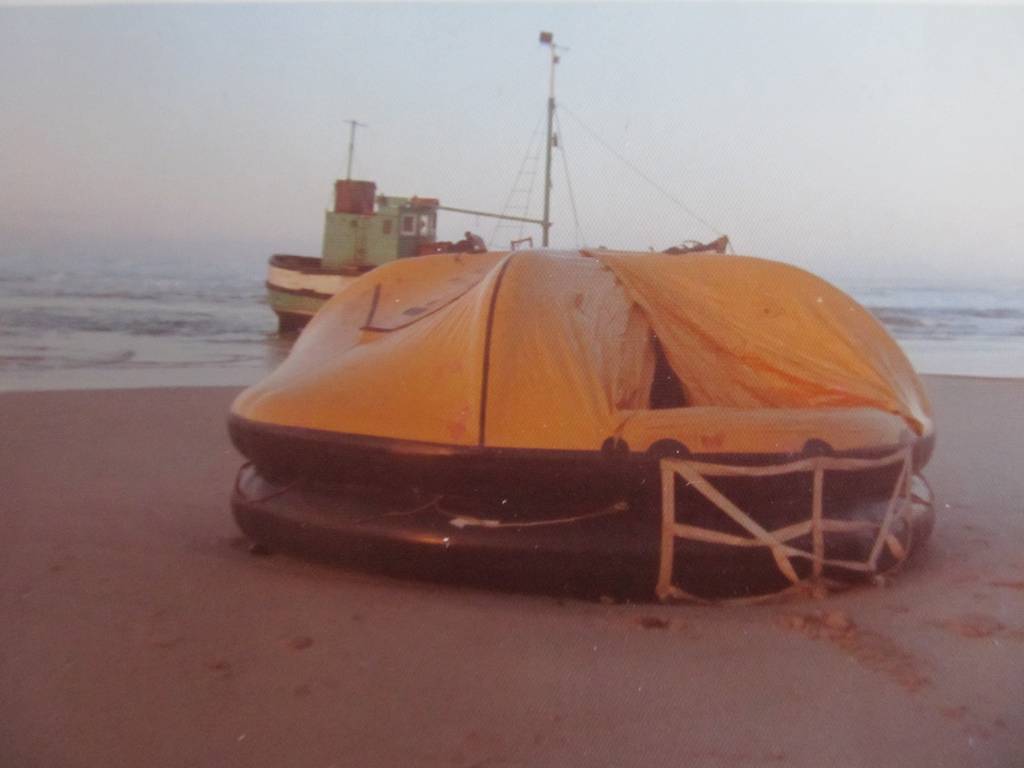
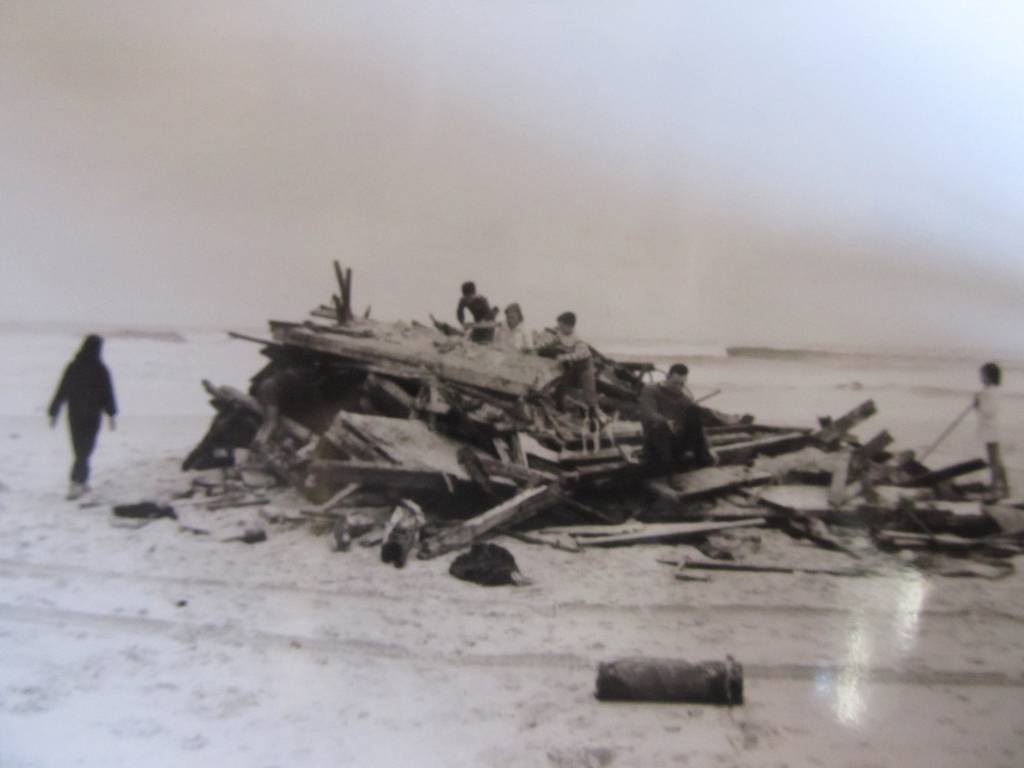
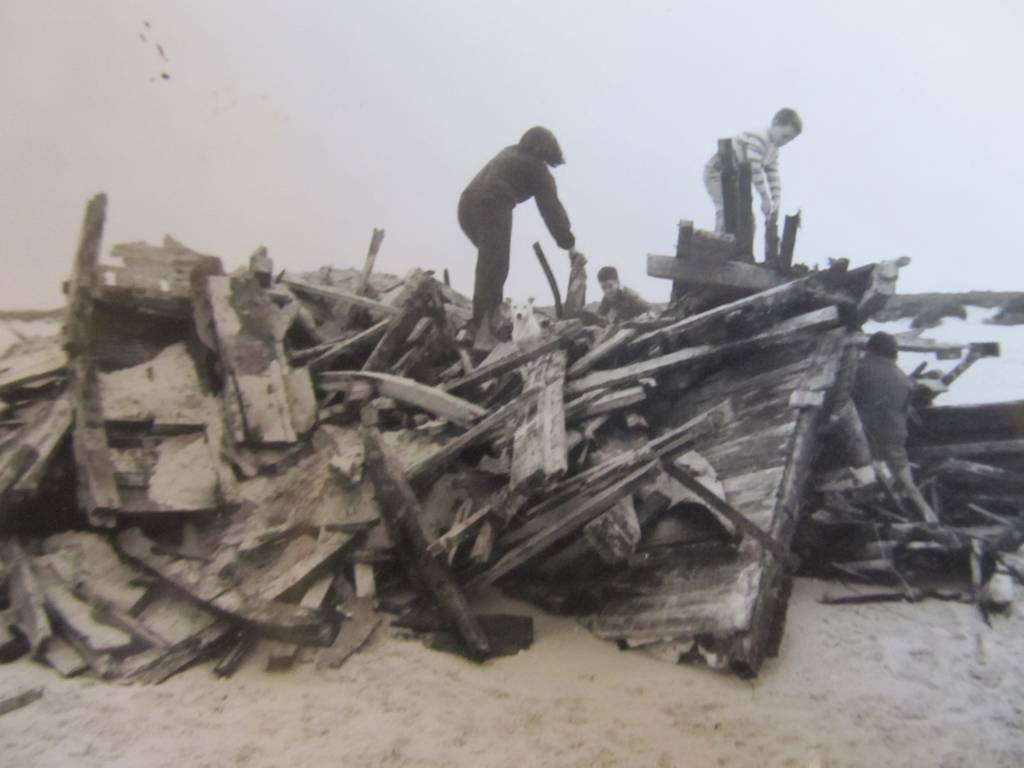
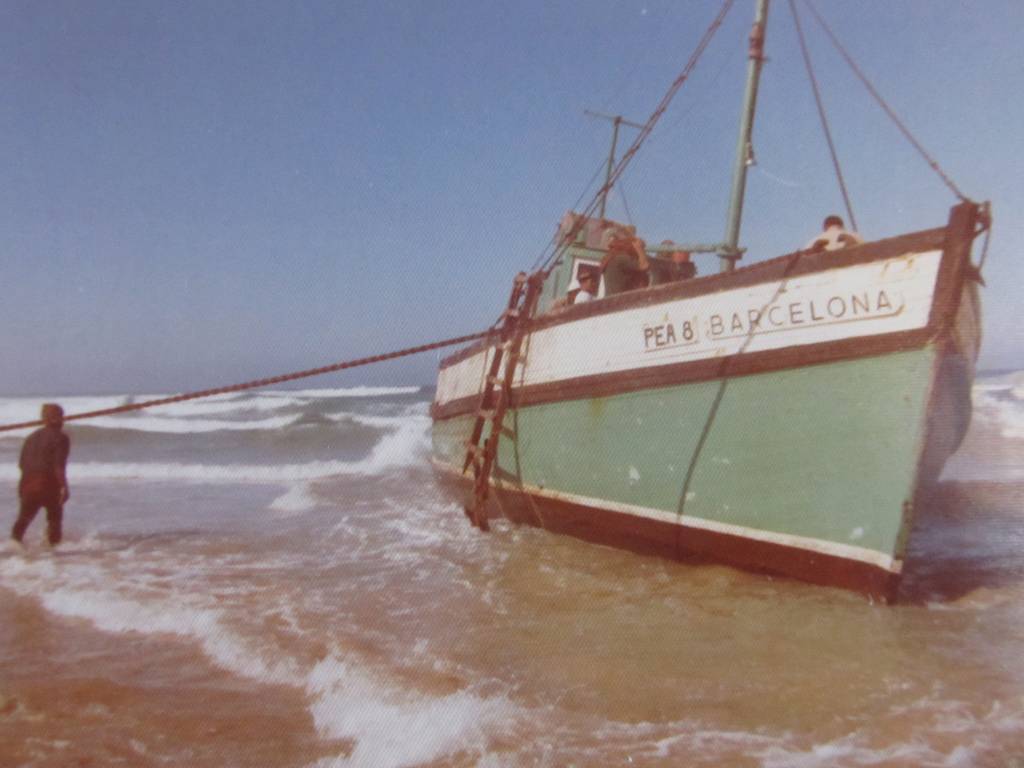
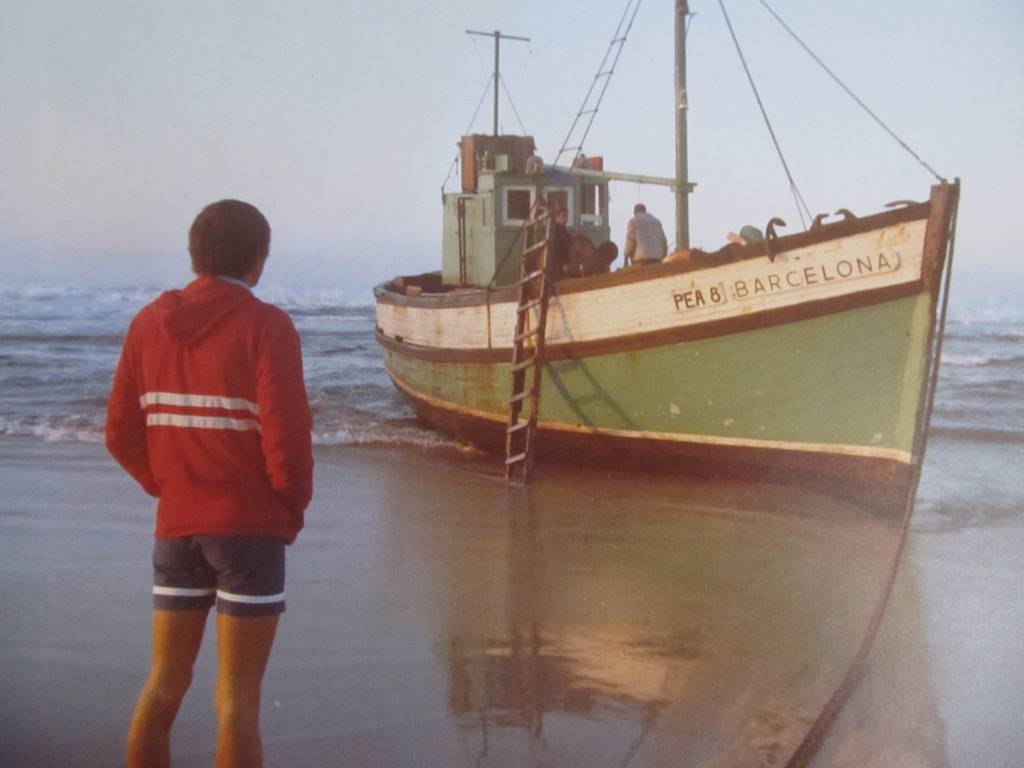
Hidden reefs, powerful currents, dense fog, heavy seas and unpredictable weather made navigation difficult. Over the centuries, many vessels were shipwrecked, leaving behind stories that form part of the area's heritage.
A Legacy Remembered In Street Names
The shipwrecks that once claimed vessels along this coastline remain an enduring part of Cape St Francis' history. Today, many of the village's street names commemorate ships that were lost in the waters just offshore.
Bender Lane is named after the Bender, a steam trawler that was blown ashore west of Cape St Francis in 1599. Only 2 of 17 crew survived.
The HMS Osprey, a Royal Navy Warship, was wrecked about four kilometers west of Seal Point in 1867.
Cape Receife Lane acknowledges a steam cargo vessel wrecked just west of Seal Point Lighthouse in 1929.
Lady Heal Lane honours the British ship, Lady Head (initially thought to be named Lady Heal), that ran aground on Rocky Coast Farm in 1859. A population of swans that lived on the Kromme River for many years is believed to have originated from this wreck.
For more information on local and national shipwrecks, as well as a fascinating collection of artefacts, you can visit the St Francis Shipwreck Museum.
Shipwreck Relics You Can Find In Cape St Francis
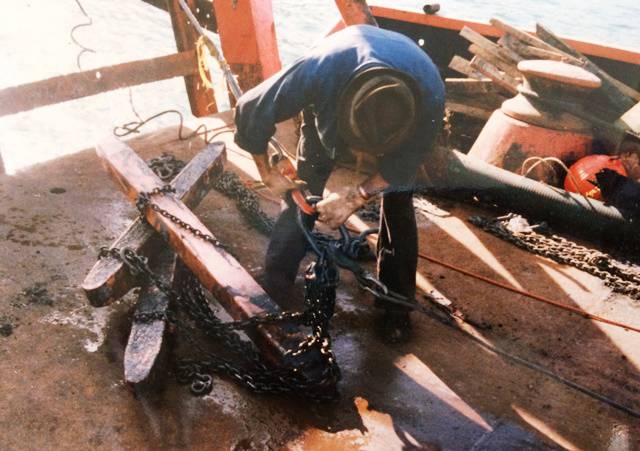
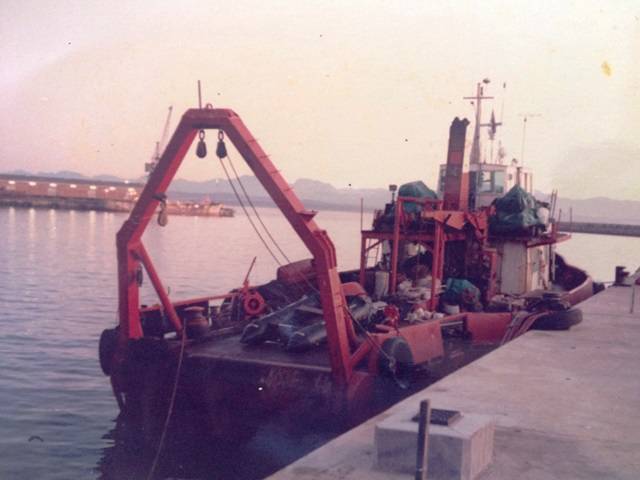
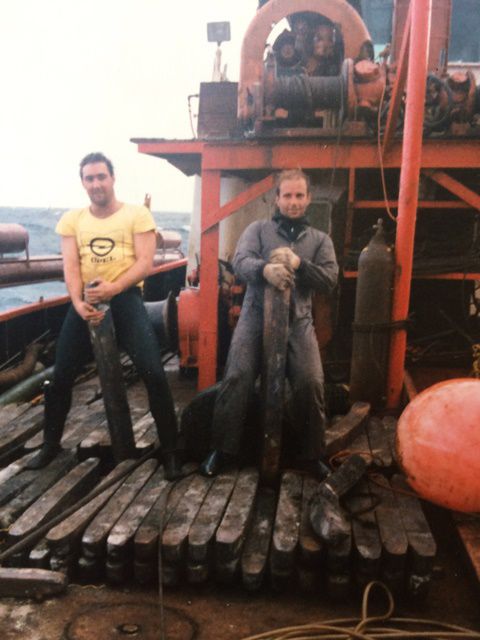
The Anchor Garden at the entrance to Cape St Francis introduces visitors to the region's shipwreck history, while some shipwreck relics are easy to find on the coastline.
| Ship | What You Can See | Location |
| HMS Osprey (1867) | Rusted boiler remains on the beach | About 3 km west of Seal Point Lighthouse on the Wildside Walk |
| Cape Recife (1929) | Sections of wreckage scattered among the rocks | Johnson's Pool, just west of Seal Point Lighthouse |
| Elke M (2024) | Salvaged pieces of the trawler | Anchor Garden, Cape St Francis |
| Eliza and Alice (1870) | Anchors | Anchor Garden, Cape St Francis |
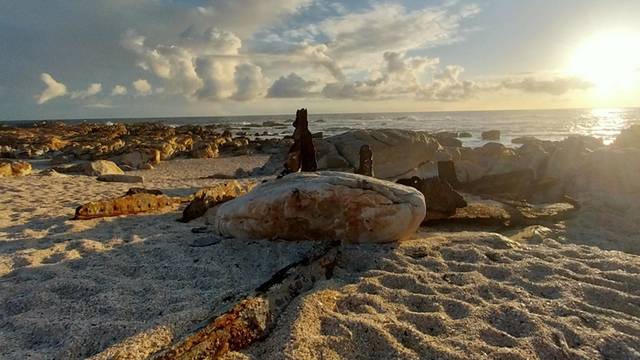
Wreckage of the Cape Recife at Johnson’s Pool
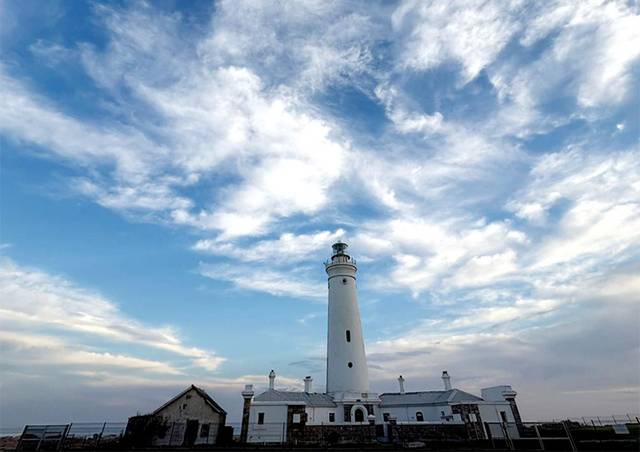
The historic Seal Point Lighthouse in Cape St Francis
A Guiding Light For Maritime Traffic
As maritime traffic increased, the need for a permanent lighthouse became impossible to ignore, and in 1875 construction of the Seal Point Lighthouse began using locally quarried stone and sand. Other building materials were transported by ship to Kromme Bay and then hauled across the dunes by ox wagon.
The lighthouse's beacon was lit for the first time on 4 July 1878, with John Duthie as its first lighthouse keeper. It was one of the most isolated lighthouse stations on South Africa's mainland. Supplies were brought in by ox wagon, crossing the Kromme River before making the slow journey over the dunes to the lighthouse.
Today, the Seal Point Lighthouse remains one of South Africa's tallest masonry lighthouses and one of Cape St Francis' most recognisable landmarks, continuing to watch over the coastline more than 145 years after it first illuminated the night.
Standing 36 metres above sea level, its powerful light can be seen for up to 28 nautical miles (52 kilometres), warning mariners of the rocky coastline that claimed so many ships before it. In 1984 it was declared a National Monument.
The Seal Point Lighthouse is open for tours, giving you the opportunity to climb to the top of its tower for sweeping views of the coastline and Indian Ocean.
From Remote Coastline To Coastal Village
For much of its history, Cape St Francis remained remote and sparsely developed.
Without major roads or large-scale development, access was limited, allowing the area’s natural environment to stay largely untouched.
During the twentieth century, improved roads and growing interest in coastal holidays gradually brought more visitors to Cape St Francis, drawn by its wide beaches, surf, fishing and quieter atmosphere.
Unlike many coastal developments, Cape St Francis grew at a measured pace. The village retained its open spaces, close connection to nature[1] and relaxed atmosphere, qualities that continue to define it today.
Protecting What Makes Cape St Francis Special
The ocean continues to define the village, the lighthouse still watches over the coastline and the beaches remain as much a part of the story as the people who call Cape St Francis home.
Natural assets like remarkable marine life, diverse bird species and indigenous fynbos that form part of one of the world’s richest floral regions have inspired local conservation efforts and helped to protect the beaches, dunes and surrounding ecosystems for future generations.
Today, conservation remains woven into the identity of Cape St Francis, ensuring that development and environmental stewardship continue to go hand in hand.
The Story Continues
Cape St Francis has never been a place defined by rapid change. Its history is one of steady evolution, shaped by the ocean, protected by its community and enriched by the people who have called this coastline home.
While the village has grown into one of the Eastern Cape's most loved coastal destinations, it has never lost the qualities that first drew people here: a spectacular natural setting, a slower pace of life and a deep connection to the sea.
Every walk along the beach, every visit to Seal Point Lighthouse and every sunrise over the Indian Ocean is a reminder that the history of Cape St Francis is still unfolding.
Get in Touch
| | anita@capestfrancisresort.co.za |
| | +27 (0) 42 298 0054 |
| | +27 (0) 82 494 3755 |
| | +27 (0) 86 412 3764 |
| | Da Gama Way, Cape St Francis, 6313 |
| | 34 11’ 56.39" S | 24 49’ 53.04" E |

Harbour Club
Harbour Club at Port St Francis offers an exceptional coastal escape in one of South Africa’s sunniest regions. Overlooking a picturesque harbour village with a private beach, diverse restaurants, and easy access to world-class golf, canal cruises, and scenic trails, it delivers both convenience and charm. Guests enjoy sweeping views, refined comfort, privacy, and independence—paired with abundant activities and consistently favourable weather, making it a destination not to be missed.
our Mozambique Resort
The waters warm, the sand is golden... and just a stone's throw away from your accommodation. Offering 3 stunning beach villas, swimming pool and the ultimate in beach living, Casa Malcampo based in the small fishing village of Tofo, is your ideal Mozambique holiday destination. For more information visit the Casa Malcampo website today! If a European holiday is what you’re looking for then why not check out our stunning 5 bed Croatian Villa perched on the ocean’s edge set on the island of Lastovo.

