
Cape St Francis Climate: Weather, Seasons & Best Time To Visit
Cape St Francis has a mild coastal climate, making it an attractive destination year-round. The village experiences warm summers, cool winters and moderate rainfall spread across seasons.
Thanks to the influence of the Indian Ocean, temperatures are rarely extreme, making it easy to enjoy the area's beaches, hiking trails, wildlife and outdoor activities whenever you visit.
Why Cape St Francis Has Such A Pleasant Climate
Cape St Francis owes its comfortable weather to its position on the Indian Ocean. Unlike inland areas of the Eastern Cape, where temperatures swing considerably, the ocean acts as a natural regulator. Summer is tempered by fresh sea breezes, while winter stays relatively mild compared to many parts of South Africa.
Rain falls throughout the year, keeping indigenous fynbos and gardens looking healthy. Passing cold fronts occasionally bring winter rain and dramatic seas, but they are usually followed by crisp, sunny days, perfect for exploring the coastline.
The village's position on the peninsula does expose it to wind, but rather than being a drawback, this shapes everything from surfing conditions to local architecture. Indigenous dune vegetation has evolved to withstand these coastal conditions, helping stabilise the dunes that protect much of the shoreline.
| Category | Details |
| Climate | Mild maritime (coastal) |
| Summer temperatures | 22–27°C |
| Winter temperatures | 10–20°C |
| Annual rainfall | Approximately 600–700 mm |
| Warmest months | January–February |
| Coolest months | July–August |
| Rainfall | Spread fairly evenly throughout the year |
| Sea temperature | Approximately 18–23°C |
| Best time for beaches | December–March |
| Best time for whale watching | June–November |
| Best time for hiking | March–May & September–November |
| Best time for surfing | All year |
Cape St Francis Through The Seasons
Summer (December–February)
Summer is when Cape St Francis comes alive. Daytime temperatures are comfortably warm, usually between 22°C and 27°C. The beaches are busy with families spending time swimming, boogie boarding and playing on Main Beach.
Surfers enjoy consistent waves, kids explore rock pools and long daylight hours give plenty of time for beach walks, kayaking, snorkelling, jogging and cycling.
This is also the busiest time of year as holidaymakers arrive from across South Africa and overseas.
Autumn (March–May)
Many locals consider autumn the best time of year. The village is less crowded, the sea is often still warm enough to swim, and days are mild with a hint of crispness in the evening air.
These conditions make autumn one of the finest seasons for hiking, cycling, birdwatching and photography. Walking and cycling trails through nature reserves and around Seal Point are quieter, while sunsets send rose gold rays sweeping across the horizon.
Winter (June–August)
Winter surprises many first-time visitors. Rather than freezing temperatures, Cape St Francis experiences cool mornings usually followed by pleasant afternoons, ideal for outdoor activities.
Passing cold fronts bring rain and high seas, transforming the coastline into a spectacular display of crashing waves and foam from the Wildside to around Seal Point Lighthouse. Between weather systems, clear blue skies return, creating excellent conditions for walking and photography.
Winter is also prime whale-watching season, when you can see southern right whales breaching and playing just offshore. Watching these magnificent marine giants while on a coastal walk is one of Cape St Francis' most memorable seasonal experiences, and the reason the village is one of South Africa's finest destinations for land-based whale watching.
Historically, winter storms made this coastline one of South Africa's most dangerous stretches of sea, with many shipwrecks before Seal Point Lighthouse was built in 1878.
For surfers, winter brings larger swells and excellent waves, attracting experienced riders from around the country.
Spring (September–November)
Spring brings renewed colour to Cape St Francis. As temperatures begin rising, indigenous fynbos burst into flower across the dunes and nature reserves. Birds are active, and you can still spot southern right whales offshore before they migrate south.
This is one of the most comfortable seasons for hiking and exploring the coastline. Days are warm without becoming hot, making it easier to spend hours discovering beaches, nature reserves and scenic viewpoints.
Photographers particularly enjoy spring thanks to the combination of wildflowers, clear skies and abundant wildlife.
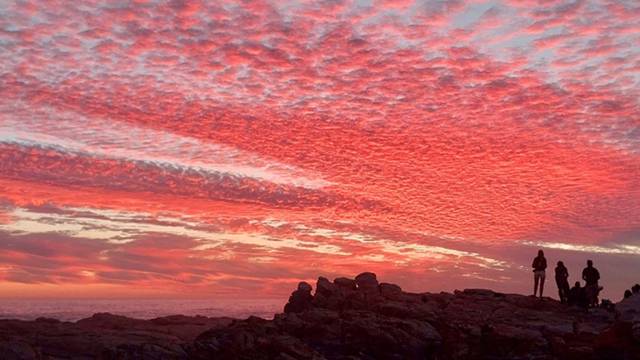
A Colourful Autumn Sunset On The Wildside
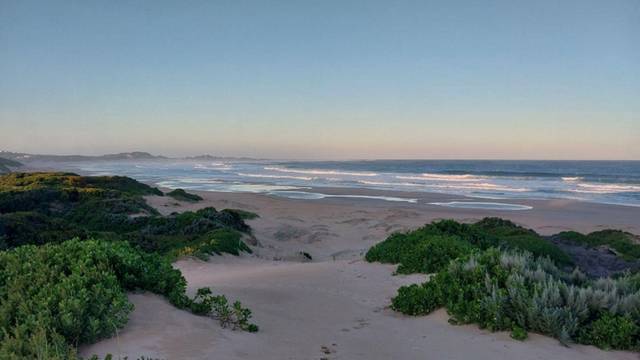
Cape St Francis Beach On A Calm Winter’s Afternoon
How The Climate Shapes Nature
Cape St Francis' climate supports one of the richest natural environments along South Africa's coastline.
The combination of moderate rainfall, sandy soils and coastal conditions allows indigenous fynbos to flourish. This globally important vegetation forms part of the Cape Floristic Region, a globally significant centre of plant diversity.
The surrounding ocean also responds to seasonal changes. Dolphins visit throughout the year, southern right whales calve in the sheltered coastal waters and the nearby nature reserves support an incredible selection of birds, reptiles and small mammals.
When Is the Best Time To Visit Cape St Francis?
There isn't a single best time to visit, only the best season for what you enjoy most. Summer is made for beach days and family holidays, autumn rewards hikers and photographers, winter brings whales and dramatic ocean scenery, and spring awakens the landscape with flowering fynbos and abundant birdlife.
Whatever time of year you arrive, the village's mild coastal climate makes it easy to experience the outdoors, and gives you another reason to return in a different season.
| If You Want To | Best Time |
| Enjoy beach holidays | December - March |
| Swim in the sea | January - March |
| Surf | Year-round |
| Watch whales | June - November |
| Hike | March - May | September - November |
| Take photos | Autumn & Spring |
| Fish | Throughout the year (species vary seasonally) |
| Enjoy quieter beaches | Autumn | Winter |
Frequently Asked Questions
Does Cape St Francis get very hot?Not usually. Summer temperatures are generally comfortable, with sea breezes and fog cooling down hot days. |
Is winter worth visiting?Most definitely. Winter offers whale watching, untamed coastal scenery, excellent surfing and quieter beaches, while daytime temperatures remain pleasant for outdoor activities. |
What should I pack?Bring light clothing for warm days, a windproof jacket for coastal breezes, comfortable walking shoes and an extra layer for evenings, especially during winter. |
Get in Touch
| | anita@capestfrancisresort.co.za |
| | +27 (0) 42 298 0054 |
| | +27 (0) 82 494 3755 |
| | +27 (0) 86 412 3764 |
| | Da Gama Way, Cape St Francis, 6313 |
| | 34 11’ 56.39" S | 24 49’ 53.04" E |

Harbour Club
Harbour Club at Port St Francis offers an exceptional coastal escape in one of South Africa’s sunniest regions. Overlooking a picturesque harbour village with a private beach, diverse restaurants, and easy access to world-class golf, canal cruises, and scenic trails, it delivers both convenience and charm. Guests enjoy sweeping views, refined comfort, privacy, and independence—paired with abundant activities and consistently favourable weather, making it a destination not to be missed.
our Mozambique Resort
The waters warm, the sand is golden... and just a stone's throw away from your accommodation. Offering 3 stunning beach villas, swimming pool and the ultimate in beach living, Casa Malcampo based in the small fishing village of Tofo, is your ideal Mozambique holiday destination. For more information visit the Casa Malcampo website today! If a European holiday is what you’re looking for then why not check out our stunning 5 bed Croatian Villa perched on the ocean’s edge set on the island of Lastovo.

