
Cape St Francis Culture: A Coastal Way Of Life
Cape St Francis is a coastal village where ancient heritage, world-class surfing and a deep respect for nature have shaped a culture unlike anywhere in South Africa.
Spend time here, and you'll discover that the real story isn't only in its beaches or waves, but in the generations of people who have called the area home.
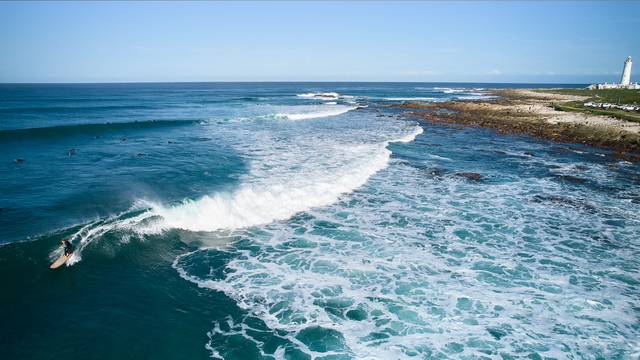
A Coast Sustaining People For Thousands Of Years
This part of the Eastern Cape has been inhabited by people for hundreds of thousands of years, drawn by an abundance of food, fresh water and everything needed to survive.
At the time, sea levels were much lower, exposing the vast Agulhas Plain and creating an even richer environment for early hunter-gatherers.
As the climate changed and the sea gradually moved inland after the last Ice Age, people adapted. They collected shellfish from rocks, fished in the sea and estuaries, hunted game and foraged for edible plants, all guided by a deep understanding of the tides, seasons and local wildlife.
Centuries later, Khoikhoi pastoralists moved through with their livestock, following seasonal grazing and water sources. Their way of life added another chapter to a long tradition of people living in step with the rhythms of this coastline.
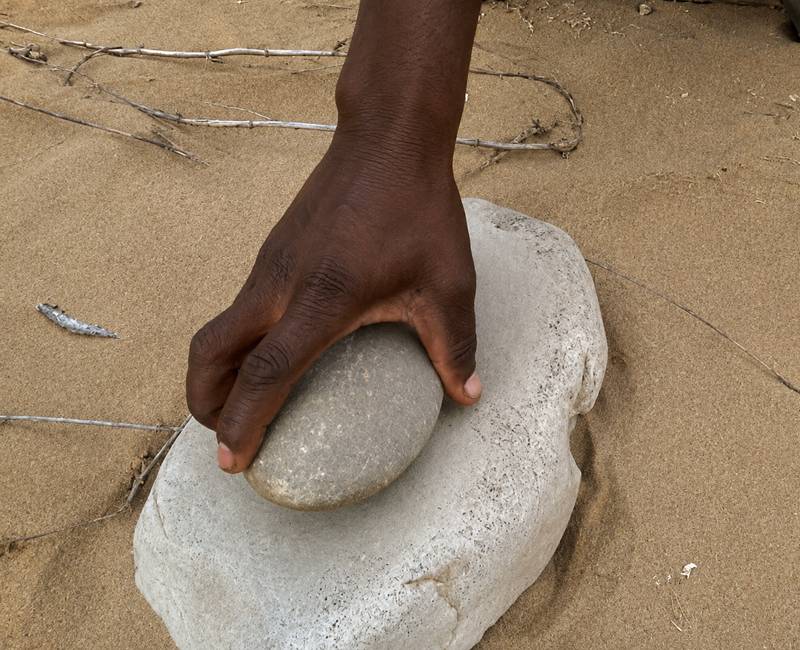
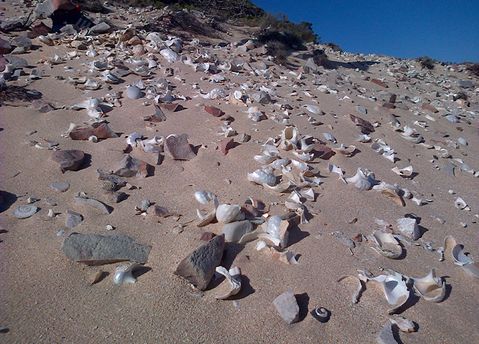
The legacy of these early communities is still part of the Cape St Francis landscape. Shell middens, stone tools and pottery fragments continue to surface, quietly reminding us that this has been a place of human connection for thousands of years.
Living At The End Of The Road
For much of its history, Cape St Francis was isolated and getting to the village was part of the adventure. Ox-wagons carried supplies to the lighthouse, travellers crossed the Kromme River by boat or at low tide, and the sandy tracks leading to the coast were often little more than farm roads.
The families who settled here built lives from what the land and sea could provide. Fishing was part of everyday life, while others made a living producing lime from seashells, collecting honey, making leather goods or harvesting berries to produce wax.
Life wasn't always easy, but it created a close-knit community where resourcefulness, self-reliance and neighbourly support became part of the village's character.
The wider district also carries memories of the devastating Great Fire of 1869, one of the worst disasters in the region's history. Although Cape St Francis remained sparsely settled at the time, the tragedy reshaped farming families across the area and remains part of local heritage passed down through generations.
Days Swayed By The Ocean
Life in Cape St Francis has always revolved around the sea. Although daily routines have naturally changed with time, the ocean still influences how people work, relax and connect.
For our ancestors, the sea was a source of food and materials. Today, its role has broadened to include recreation, tourism, conservation and sport.
Fishermen keep an eye on the swell before casting a line, surfers are up before dawn checking the wind, and walkers plan their beach strolls around tides.
Life here is lived outdoors. The beach is a place where people walk, socialise, exercise and unwind, quietly shaping routines, conversations and the easy-going rhythm of Cape St Francis.
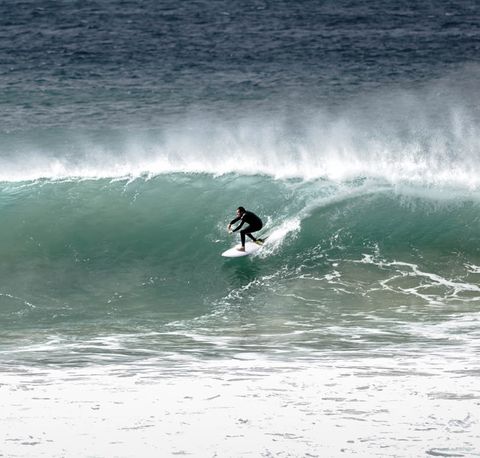
Where Surfing Is A Way Of Life
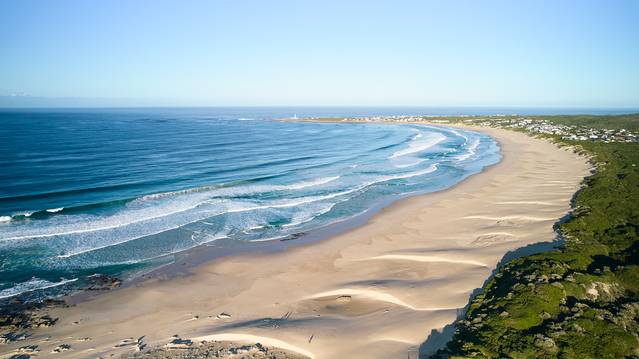
Surfing is part of Cape St Francis’ identity. For decades, surfers have been lured by the challenge of riding the powerful reef and beach breaks around Seal Point. Some arrived and never left. Others grew up here, with childhoods shaped by surf, sun and sand.
The village's holiday story began in the 1950s, when Leighton and Ann Hulett bought Goedgeloof Farm and developed a fishing camp and the first residential plots in what is now known as St Francis Bay.
Confusingly, Hulett’s development was initially called Cape St Francis. It was later renamed Sea Vista, and ultimately became St Francis Bay.
Present-day Cape St Francis developed separately around Seal Point and the lighthouse, with John Booysen's farm Lands End forming an important part of its early development. Cape St Francis was officially proclaimed a town in 1965.
Around the same time, surfers began discovering the waves around Seal Point, and word quickly spread through surf magazines and films. Cape St Francis quietly built its own reputation, with local surfers shaping the culture long before international attention arrived.
Although surfing has brought global attention to the region, it’s never overshadowed the village's relaxed character.
A Village That Gives Back
Spend a little time in Cape St Francis, and you quickly notice how the community cares for its coastline.
For decades, local volunteers have helped clear invasive plants, restore indigenous vegetation, maintain hiking trails and care for the nature reserves.
Organisations like FOSTER and the St Francis Kromme Enviro-Trust play a big part in that effort. Alongside hands-on conservation work, they protect the area's natural and cultural heritage, including documenting its fascinating history in the book Our Coastal Treasure.
This spirit of stewardship reaches beyond formal organisations. Beach clean-ups, conservation projects and environmental awareness are woven into everyday life, reflecting a community that sees the landscape as something to protect rather than simply enjoy.
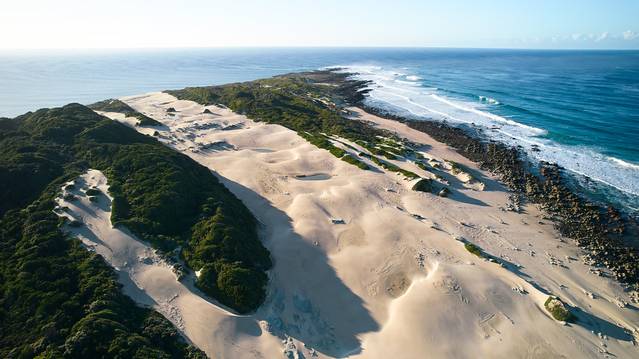
Small Moments Bring People Together
Life in Cape St Francis changes with the seasons, but its sense of community never does.
Summer fills the beaches with families, surfers and holidaymakers soaking up long, sunny days. As the crowds drift home, the village settles back into its familiar rhythm. The beaches grow quieter, and life moves at an easy pace.
Throughout the year, markets, sporting events, conservation projects and community gatherings are organised. But perhaps the strongest tradition isn't organised at all. It's the simple habit of spending time outdoors.
Watching the sun rise over Seal Point, having a sundowner picnic at Johnson’s Pool, riding waves with mates or walking the beach with a group of friends. These are the moments that quietly define the culture of village life in Cape St Francis.

Get in Touch
| | anita@capestfrancisresort.co.za |
| | +27 (0) 42 298 0054 |
| | +27 (0) 82 494 3755 |
| | +27 (0) 86 412 3764 |
| | Da Gama Way, Cape St Francis, 6313 |
| | 34 11’ 56.39" S | 24 49’ 53.04" E |

Harbour Club
Harbour Club at Port St Francis offers an exceptional coastal escape in one of South Africa’s sunniest regions. Overlooking a picturesque harbour village with a private beach, diverse restaurants, and easy access to world-class golf, canal cruises, and scenic trails, it delivers both convenience and charm. Guests enjoy sweeping views, refined comfort, privacy, and independence—paired with abundant activities and consistently favourable weather, making it a destination not to be missed.
our Mozambique Resort
The waters warm, the sand is golden... and just a stone's throw away from your accommodation. Offering 3 stunning beach villas, swimming pool and the ultimate in beach living, Casa Malcampo based in the small fishing village of Tofo, is your ideal Mozambique holiday destination. For more information visit the Casa Malcampo website today! If a European holiday is what you’re looking for then why not check out our stunning 5 bed Croatian Villa perched on the ocean’s edge set on the island of Lastovo.

